56++ How do you divert spring water ideas in 2021
Home » Background » 56++ How do you divert spring water ideas in 2021Your How do you divert spring water images are available. How do you divert spring water are a topic that is being searched for and liked by netizens today. You can Find and Download the How do you divert spring water files here. Download all royalty-free photos.
If you’re looking for how do you divert spring water pictures information related to the how do you divert spring water keyword, you have visit the ideal blog. Our website always provides you with hints for seeking the highest quality video and image content, please kindly search and find more informative video articles and images that match your interests.
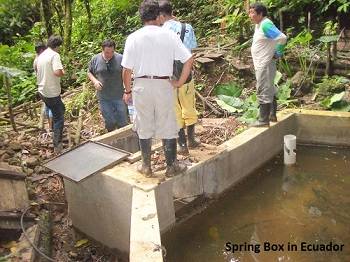
How Do You Divert Spring Water. Depending on the pond you have in the yard you could simply pump the water dig temporary drain trenches to distribute the water but first you need to try to determine the source. The flow of water from springs and seeps may come from small openings in porous ground or. Water is diverted using instream barriers such as dams weirs culverts canals and pipes that are used in the construction process. Build a spring box if your spring has a healthy flow.
 Spring Water Collection System 16 Steps With Pictures Instructables From instructables.com
As long as its not your driveway or sidewalk. Water getting into the soil causes springs. A minimum depth of 2 feet will help prevent future damage from cattle and wildlife traffic. If the ground is too hard to dig now plan your rain garden and plant in spring. The fastest and easiest way to divert water away from your lawn is to create a drainage system. There is a right to natural drainage.
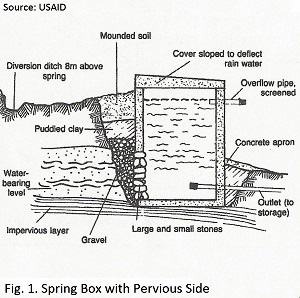
Problems with spring flow can occur if water is permitted to back up behind the wall Remove potential sources of contamination and divert surface water away from the spring box or collection area.
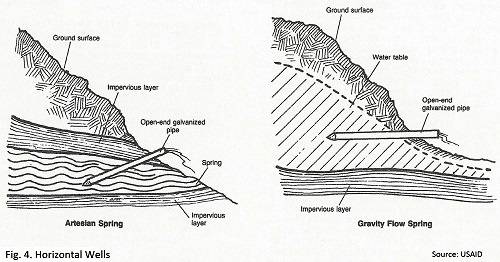
This means that water flowing naturally across the surface of the land is permitted to flow downhill naturally onto your neighbours land. 1440 minutes in a day x 4 gallonsmin 5760 gallons a day. Water springs are created when water is filtered through permeable rock in the ground and then flows downhill until it reaches ground level. I would recommend that you excavate the area around the leak which would include most or all of the wall affected repair all the cracks and use a poly sealer on the entire area. You want to eliminate depressions and add drainage. A spring or seep is water that reaches the surface from some underground supply appearing as small water holes or wet spots on hillsides or along river banks.
 Source: pinterest.com
A minimum depth of 2 feet will help prevent future damage from cattle and wildlife traffic. I would recommend that you excavate the area around the leak which would include most or all of the wall affected repair all the cracks and use a poly sealer on the entire area. As long as its not your driveway or sidewalk. A minimum depth of 2 feet will help prevent future damage from cattle and wildlife traffic. If you want to get your water tested to identify whether its spring sewer or mains contact your local councils enviromental health dept they can test it for you expect it to about 60.
 Source: clean-water-for-laymen.com
The actual diverter valve is found behind the knob that you turn to divert the water or behind the tub spout with the valve atop it. The fastest and easiest way to divert water away from your lawn is to create a drainage system. It isnt the only option but it is something you can do yourself. To stop a water spring from discharging into your yard install a subsurface linear French drain to capture and divert the water before it becomes a nuisance. Let dry and cover.
 Source: wildthingsoffgridsolar.com
To harness your spring you can dig a hole where the water emerges from and then place a layer of gravel in the bottom for a filtered-earth holding tank. Sometimes diverting water away from your yard is easy however the answer could be different for any yard. A spring or seep is water that reaches the surface from some underground supply appearing as small water holes or wet spots on hillsides or along river banks. See also Groundwater. Water is diverted using instream barriers such as dams weirs culverts canals and pipes that are used in the construction process.
 Source: clean-water-for-laymen.com
As the name implies there are lots of springs. Generally trying to stop a natural spring is a lost cause on a residential scale - controlling the water and getting it into a form you can handle is almost always the cheapest solution - normally by either diverting the flow as it exits the ground or sometimes by putting in a bordered pond at the exit point then controlling the water as it exits the pond. Let dry and cover. To harness your spring you can dig a hole where the water emerges from and then place a layer of gravel in the bottom for a filtered-earth holding tank. A minimum depth of 2 feet will help prevent future damage from cattle and wildlife traffic.
 Source: pinterest.com
Step 3 Find the spot where water congregates frequently and dig a pit for the water. Before digging call your utility company to map your buried utility lines. You want to eliminate depressions and add drainage. You can control the water by laying some land drain - perforated plastic pipe thats wrapped in felt - you need to lay it in the area that is affected about 450 - 600mm deep surrounded by coarse gravel. Install a pipe low in the collecting wall to direct the water from the interception reservoir to a concrete or plastic spring box.
 Source: instructables.com
Problems with spring flow can occur if water is permitted to back up behind the wall Remove potential sources of contamination and divert surface water away from the spring box or collection area. To stop a water spring from discharging into your yard install a subsurface linear French drain to capture and divert the water before it becomes a nuisance. As the name implies there are lots of springs. The trench will take the water around the home and flow past the foundation instead of through it. Install a pipe low in the collecting wall to direct the water from the interception reservoir to a concrete or plastic spring box.
 Source: pinterest.com
Water is diverted using instream barriers such as dams weirs culverts canals and pipes that are used in the construction process. Water springs are created when water is filtered through permeable rock in the ground and then flows downhill until it reaches ground level. A spring or seep is water that reaches the surface from some underground supply appearing as small water holes or wet spots on hillsides or along river banks. The actual body of the diverter is a stem-like diverter a diverter with a spring inside it or a cartridge-type diverter. It isnt the only option but it is something you can do yourself.
 Source: instructables.com
A simple solution to divert water in your yard is installing a French drain. Problems with spring flow can occur if water is permitted to back up behind the wall Remove potential sources of contamination and divert surface water away from the spring box or collection area. Build a trench and a rockcement dam if your spring is on a slope. Find out more about instream barriers and water flow. The flow of water from springs and seeps may come from small openings in porous ground or.
 Source: pinterest.com
Water is diverted using instream barriers such as dams weirs culverts canals and pipes that are used in the construction process. Water springs are created when water is filtered through permeable rock in the ground and then flows downhill until it reaches ground level. Build a trench and a rockcement dam if your spring is on a slope. You want to eliminate depressions and add drainage. You can control the water by laying some land drain - perforated plastic pipe thats wrapped in felt - you need to lay it in the area that is affected about 450 - 600mm deep surrounded by coarse gravel.
 Source: homeguides.sfgate.com
To divert an underground spring you will need to create a french drain to draw water away from the spring. As long as its not your driveway or sidewalk. As you trench between the spring and a support post at the trough leave a small amount of earth unexcavated to hold the water in the spring. Find out more about instream barriers and water flow. The actual body of the diverter is a stem-like diverter a diverter with a spring inside it or a cartridge-type diverter.
 Source: youtube.com
Build a spring box if your spring has a healthy flow. Use 1 to 2 inches of fast-draining soil topped with 2 inches of mulch for best results. Water springs are created when water is filtered through permeable rock in the ground and then flows downhill until it reaches ground level. You can control the water by laying some land drain - perforated plastic pipe thats wrapped in felt - you need to lay it in the area that is affected about 450 - 600mm deep surrounded by coarse gravel. The flow of water from springs and seeps may come from small openings in porous ground or.
Source: instructables.com
The flow of water from springs and seeps may come from small openings in porous ground or. Generally trying to stop a natural spring is a lost cause on a residential scale - controlling the water and getting it into a form you can handle is almost always the cheapest solution - normally by either diverting the flow as it exits the ground or sometimes by putting in a bordered pond at the exit point then controlling the water as it exits the pond. The actual body of the diverter is a stem-like diverter a diverter with a spring inside it or a cartridge-type diverter. Find out more about water dams. Use 1 to 2 inches of fast-draining soil topped with 2 inches of mulch for best results.
 Source: findaspring.com
Generally trying to stop a natural spring is a lost cause on a residential scale - controlling the water and getting it into a form you can handle is almost always the cheapest solution - normally by either diverting the flow as it exits the ground or sometimes by putting in a bordered pond at the exit point then controlling the water as it exits the pond. See also Groundwater. As you trench between the spring and a support post at the trough leave a small amount of earth unexcavated to hold the water in the spring. There is a right to natural drainage. Generally trying to stop a natural spring is a lost cause on a residential scale - controlling the water and getting it into a form you can handle is almost always the cheapest solution - normally by either diverting the flow as it exits the ground or sometimes by putting in a bordered pond at the exit point then controlling the water as it exits the pond.
 Source: pinterest.com
Places where the water leaves the soil and gets to the surface to run off will help. Water getting into the soil causes springs. As long as its not your driveway or sidewalk. Use 1 to 2 inches of fast-draining soil topped with 2 inches of mulch for best results. To harness your spring you can dig a hole where the water emerges from and then place a layer of gravel in the bottom for a filtered-earth holding tank.
 Source: pinterest.com
Let dry and cover. This means that water flowing naturally across the surface of the land is permitted to flow downhill naturally onto your neighbours land. Sometimes diverting water away from your yard is easy however the answer could be different for any yard. Find out more about instream barriers and water flow. I live on a street called Springridge.
 Source: id.pinterest.com
The trench will take the water around the home and flow past the foundation instead of through it. Water springs are created when water is filtered through permeable rock in the ground and then flows downhill until it reaches ground level. Water getting into the soil causes springs. Use 1 to 2 inches of fast-draining soil topped with 2 inches of mulch for best results. Thats over 46000 16 oz bottles of water a day.
 Source: clean-water-for-laymen.com
Thats over 46000 16 oz bottles of water a day. To harness your spring you can dig a hole where the water emerges from and then place a layer of gravel in the bottom for a filtered-earth holding tank. A minimum depth of 2 feet will help prevent future damage from cattle and wildlife traffic. As long as its not your driveway or sidewalk. Water getting into the soil causes springs.
 Source: wildthingsoffgridsolar.com
If the ground is too hard to dig now plan your rain garden and plant in spring. Water is diverted using instream barriers such as dams weirs culverts canals and pipes that are used in the construction process. Thats over 46000 16 oz bottles of water a day. This spring is producing 4 gallons a minute which is more than I can possibly use. I live on a street called Springridge.
This site is an open community for users to do submittion their favorite wallpapers on the internet, all images or pictures in this website are for personal wallpaper use only, it is stricly prohibited to use this wallpaper for commercial purposes, if you are the author and find this image is shared without your permission, please kindly raise a DMCA report to Us.
If you find this site good, please support us by sharing this posts to your own social media accounts like Facebook, Instagram and so on or you can also save this blog page with the title how do you divert spring water by using Ctrl + D for devices a laptop with a Windows operating system or Command + D for laptops with an Apple operating system. If you use a smartphone, you can also use the drawer menu of the browser you are using. Whether it’s a Windows, Mac, iOS or Android operating system, you will still be able to bookmark this website.
Category
Related By Category
- 27+ Best sleep number setting for stomach sleepers ideas in 2021
- 25++ Memory foam is bad for your back ideas in 2021
- 25++ Bed sheets my pillow info
- 42++ Best mattress for stomach sleepers reddit ideas in 2021
- 25+ Moving a king mattress in a pickup truck ideas in 2021
- 45++ New mattress back still hurts ideas in 2021
- 51+ Nectar mattress logo information
- 51++ Mattress source information
- 39++ My new mattress hurts my back ideas
- 30++ Nectar firmness info